Japanese Tea House in Minecraft (Build Guide + Cultural History)
By Minecraft Circle Generator Team · Published 2026-06-02
A Japanese tea house in Minecraft is a small-to-medium building inspired by the centuries-old chashitsu tradition — Japan's ceremonial tea pavilions designed for harmony, simplicity, and quiet contemplation. The Minecraft version captures that aesthetic with dark slate-tile roofs, warm wooden walls, sliding paper-screen doors, ornamental banners, and tiered pagoda-style rooflines. This guide covers a build tutorial, the brief cultural background, and the materials you'll need.
A Quick Note on Tea Houses
Real Japanese tea houses (chashitsu, 茶室) date back to the 15th century and were designed by Zen Buddhist tea masters like Sen no Rikyū. The architectural philosophy emphasizes wabi-sabi — beauty in imperfection and simplicity — and uses natural materials, modular tatami flooring, sliding paper screens (shoji), and a low entrance that forces guests to bow as they enter. The roof is typically clay-tile or thatched, the structure unpainted wood, and the interior almost meditative in its restraint.
Minecraft's tea house adapts this aesthetic with deepslate-tile roofs (in place of clay), stripped wood walls (in place of natural cedar), and banner art (in place of calligraphy scrolls). Even within the limitations of block-by-block construction, the build captures the essential serenity of the original style.
Video Tutorial: Japanese Tea Shop by Cortezerino
The build featured in this guide is by Cortezerino — a two-story tea shop with sliding doors, banner art, a tiered roof, and a small outdoor garden corner. Watch the full tutorial for the block-by-block walkthrough.
Original tutorial by Cortezerino. Original design credit to Cortezerino — please subscribe and watch the full tutorial for the complete build walkthrough.
Tea House Screenshots (Multiple Angles)
Materials You'll Need
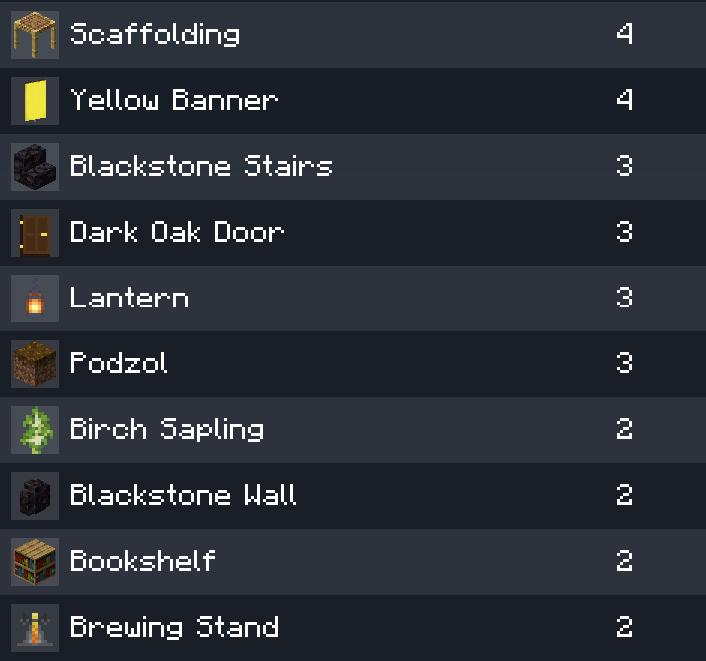
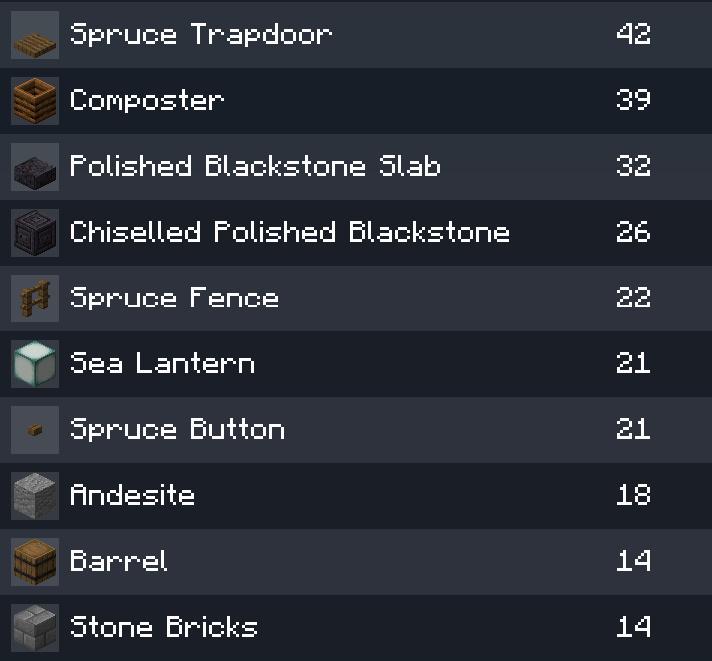
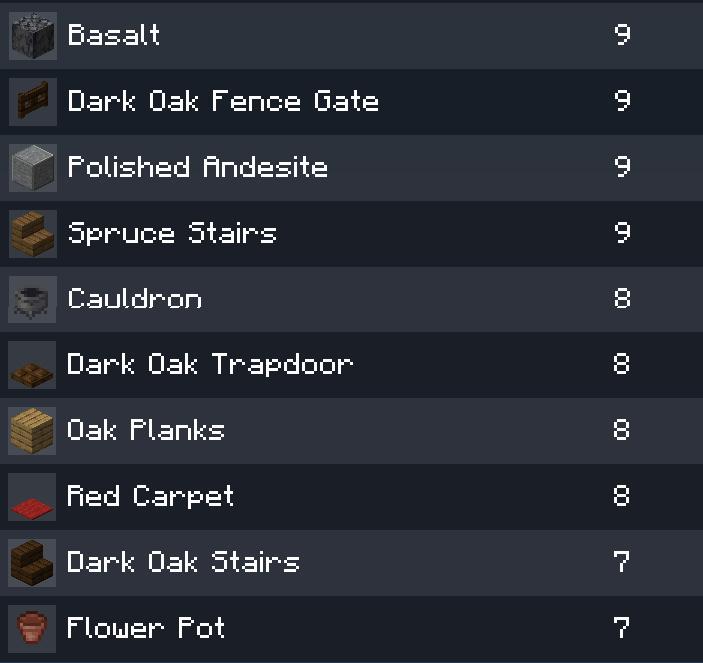
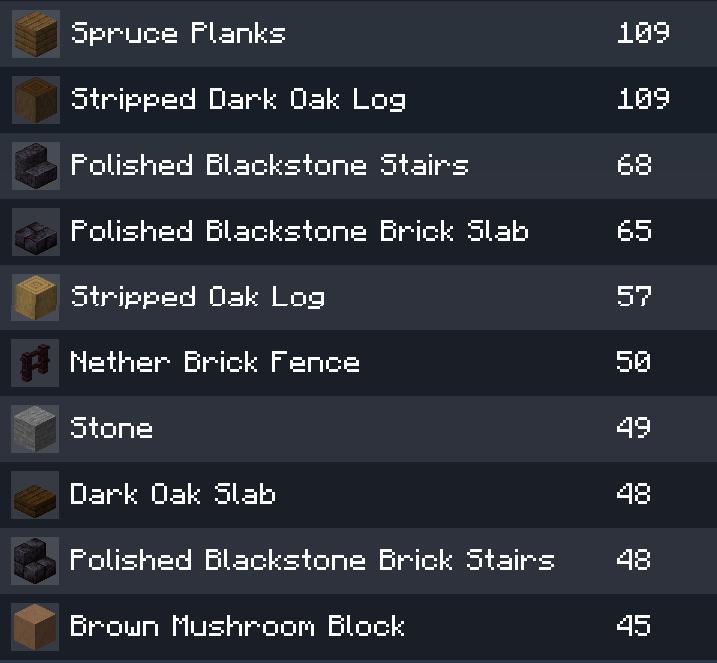
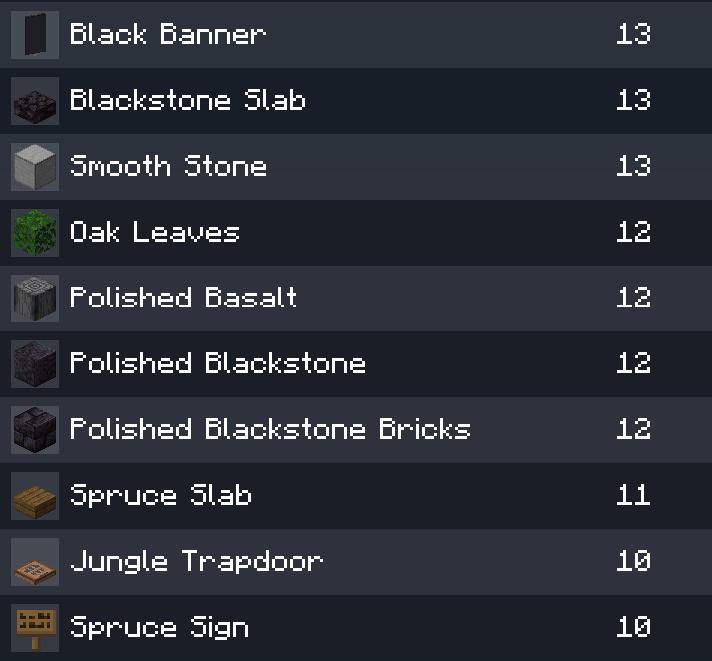
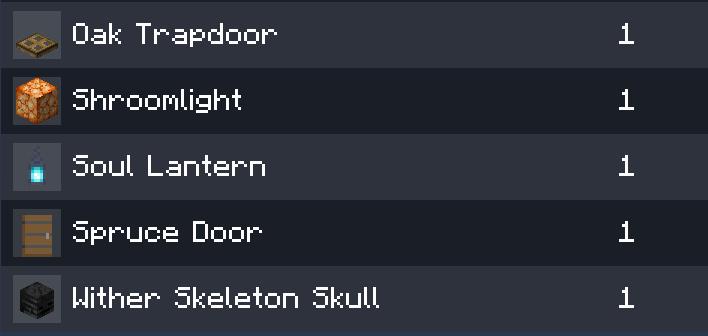
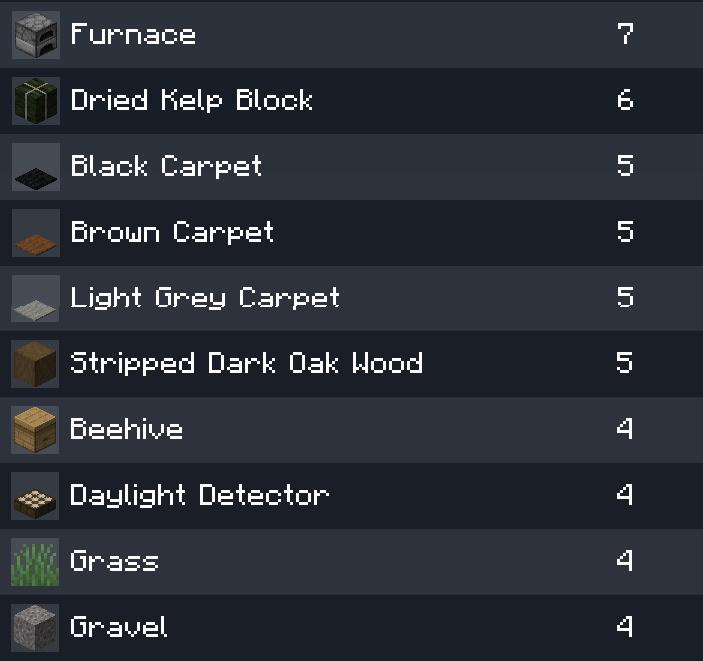
Approximate quantities for the full Cortezerino tea shop build:
| Material | Quantity | Purpose |
|---|---|---|
| Deepslate Tile / Deepslate Brick | ~3-4 stacks | Dark roof tiles, foundation |
| Cobbled Deepslate Stairs / Slabs | ~2 stacks combined | Roof edge tiers |
| Stripped Dark Oak / Spruce | ~3 stacks | Wall panels, structural columns |
| Dark Oak / Spruce Planks | ~2 stacks | Wall fill, floor |
| White Concrete / White Wool | ~1 stack | Banner backgrounds, paper-screen sections |
| Mangrove Wood / Trapdoors | ~1 stack | Window lattice, sliding-door slats |
| Iron Bars or Mangrove Trapdoor Pattern | ~16 blocks | Paper-screen window patterns |
| Lanterns (regular + Soul) | ~16 | Lighting, hung from eaves |
| White Banners + black dye | ~6 banners | Hanging "calligraphy" banners on facade |
| Glass Pane | ~16 | Decorative windows |
| Bamboo / Bamboo Planks | ~1 stack | Interior accents, garden features |
| Sea Pickles (6-8) | Per docx note | Accent lighting under glass |
| Turtle Eggs (3-4) | Per docx note | Decoration — small accent items |
| Composters (filled w/ organic material) | 2-4 | Garden corner detail |
| Painting (1) | 1 | Interior wall art |
| Red Carpet | ~16 | Floor accent (tatami-style) |
| Slime Ball + Banner Patterns (Curly Border, Brick, etc.) | Various | Banner art customization |
Build Tips for the Tea House Aesthetic
1. Tiered roof is non-negotiable
A flat roof breaks the Japanese aesthetic instantly. Build the roof in 2-3 stepped tiers of Cobbled Deepslate Stairs and Slabs. Each tier should overhang slightly more than the wall below it — this creates the iconic pagoda silhouette.
2. Use banners for "calligraphy"
White Banners with black banner patterns (Curly Border, Brick, Skull Charge, etc.) approximate Japanese kanji art. Hang 4-6 of these on the front facade. See image above for reference.
3. Paper-screen windows with Mangrove Trapdoors
Don't use plain Glass Panes for windows. Instead, place Glass Pane behind a grid of Mangrove Trapdoors (open) — this creates the look of traditional shoji paper screens with their black wooden lattice pattern.
4. Lantern hanging from eaves
Hang Lanterns from Cherry Stairs or Spruce Stairs placed upside-down at the roof corner. This creates the impression of traditional Japanese lantern braziers.
5. Composters as planters
Per the materials list above, fill Composters with organic material (saplings, leaves, vines) so they show as full. Use them as decorative "stone planters" in the garden corner — looks great with bamboo or small pink-petal arrangements next to them.
6. Sea Pickles for underfloor glow
Hide Sea Pickles in a hollow under a glass or trapdoor floor section. They give off a soft warm glow that simulates traditional candlelight without being obvious.
7. Red Carpet floor accents
Use Red Carpet inside as Tatami-mat-equivalent floor sections. Place around interior table arrangements for the right "ceremony space" feel.
Building It Yourself
The full step-by-step is in Cortezerino's video tutorial — we strongly recommend watching it in full before starting. The video covers:
- Foundation layout and base dimensions
- First-floor wall construction
- Roof tier 1 (lower overhang)
- Second-floor wall construction
- Roof tier 2 (steep main roof)
- Banner placement and patterning
- Door and window details
- Garden corner with composters and lanterns
- Interior fitout
Typical build time: 2-4 hours for a careful first build, less for experienced builders. Best done in Creative mode to start, then re-built in Survival once you've gathered all the materials.
Place It in the Right Biome
The tea house looks best in:
- Cherry Grove biome — pink cherry trees frame the dark roof beautifully (also see our cherry blossom house guide)
- Bamboo Jungle — natural bamboo around the build matches the aesthetic
- Meadows — gentle hills + flowers + mountains in the background = picturesque
- Custom Japanese garden setting — build a koi pond, stone pathway, and bamboo grove around the tea house yourself
Avoid: deserts, badlands, ice biomes, swamps — all break the aesthetic.
Common Questions
Do I need shaders for it to look good?
No. The build looks great in vanilla Minecraft. Shaders (BSL, Complementary) make it more dramatic but aren't required.
Can I build this in Bedrock Edition?
Yes — all blocks used are available in both Java and Bedrock as of 1.21+.
What if I don't have Deepslate?
Replace with Cobblestone Stairs (lighter, less moody) or Polished Blackstone (darker). Adjust the rest of the palette accordingly to keep contrast strong.
How do I make the custom banners?
Combine a White Banner with black dye and various banner patterns at a Loom. Layer multiple patterns to create the kanji-like art. Banner patterns to try: Curly Border, Brick, Skull Charge, Cross, Half Vertical.
Can the tea house be larger?
Yes — scale up the footprint to make it grander. The tiered roof technique scales naturally. Going from 8×8 to 16×16 doubles the materials but produces a far more impressive build.
Putting It All Together
Your Japanese tea house workflow:
- Watch Cortezerino's full tutorial
- Gather materials (Deepslate Tile, Dark Oak, Mangrove Trapdoors, White Banner, Lanterns, etc.)
- Pick a setting — Cherry Grove, Bamboo Jungle, or Meadows
- Lay the foundation
- Build walls with stripped wood and white concrete panels
- Construct tiered Deepslate roof (this is the signature step)
- Add Mangrove Trapdoor + Glass Pane window patterns
- Hang 4-6 white banners with black patterns
- Decorate with lanterns, composters, paintings
- Place in your world and surround with bamboo, cherry trees, or a small koi pond
For more Japanese-inspired Minecraft builds, see our Minecraft cherry blossom house designs guide. For other build inspiration, see our free house designs library and 10 amazing circular builds.
That's everything you need to build a beautiful Japanese tea house in Minecraft. Tiered roofs, paper screens, calligraphy banners, lantern-lit corners. Wabi-sabi in voxel form. Happy building!